
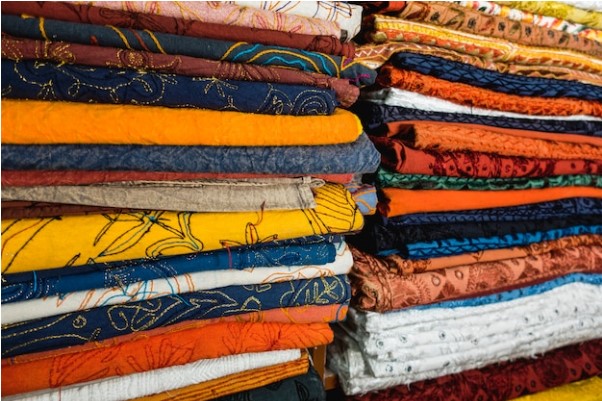
Whether you’re a beginner just starting out or an experienced sewist tackling a new project, having the right supplies on hand makes all the difference in achieving professional-looking results. A well-stocked fabric shop offers far more than just fabric, and knowing what essentials to look for ensures you’re prepared for whatever project you have in mind, from simple repairs to elaborate garment construction.
1. Quality Fabric Selection
The foundation of any sewing project begins with choosing the right material, and a good fabric shop should offer a wide variety of fabric types, weights, and patterns to suit different purposes.
Whether you need cotton for quilting, stretchy knits for activewear, or delicate silk for special occasions, having access to diverse options allows you to select exactly what your project genuinely requires.
2. Sharp Scissors and Cutting Tools
Precision cutting significantly affects the final outcome of any sewing project, making quality shears an essential purchase for serious sewists.
A reliable fabric shop typically carries specialized fabric scissors, rotary cutters, and cutting mats, all of which help achieve clean, accurate cuts that are far more difficult to accomplish with regular household scissors.
3. Thread in Various Weights and Colors
Matching thread properly to both fabric type and color significantly impacts how finished seams look and hold up over time.
A well-supplied fabric shop should offer a broad selection of thread weights and colors, including specialty options like heavy-duty thread for denim or delicate thread suited to fine, lightweight fabrics used in more detailed garments.
4. Pins, Needles, and Marking Tools
Small but essential, sewing pins, hand needles, and machine needles in various sizes are necessary for nearly every project regardless of complexity.
Additionally, fabric marking tools like tailor’s chalk or disappearing ink pens help transfer pattern markings accurately, ensuring seams, darts, and other details align correctly during construction.
5. Interfacing and Stabilizing Materials
Many garments and craft projects require interfacing to add structure, stability, or reinforcement to specific areas like collars, cuffs, or bag bases.
A quality fabric shop should stock various interfacing weights and types, allowing sewists to choose the appropriate stabilizer based on the fabric being used and the intended final application.
6. Patterns and Reference Guides
For those working on garments or structured projects, having access to reliable sewing patterns provides essential guidance on cutting and assembly.
Many fabric shop locations also carry reference books or guides covering techniques, measurements, and troubleshooting tips, making them valuable resources for sewists looking to expand their skills beyond basic projects.
Final Thoughts
Building a well-rounded sewing supply collection starts with knowing exactly what to look for during each visit to a fabric shop, ensuring you’re prepared for both current and future projects. From quality fabric and sharp cutting tools to proper thread and stabilizing materials, having these essentials on hand streamlines the entire sewing process considerably. Taking time to explore what your local shop offers, and asking staff for recommendations when needed, can also help you discover supplies you might not have considered but that ultimately improve your finished results.